
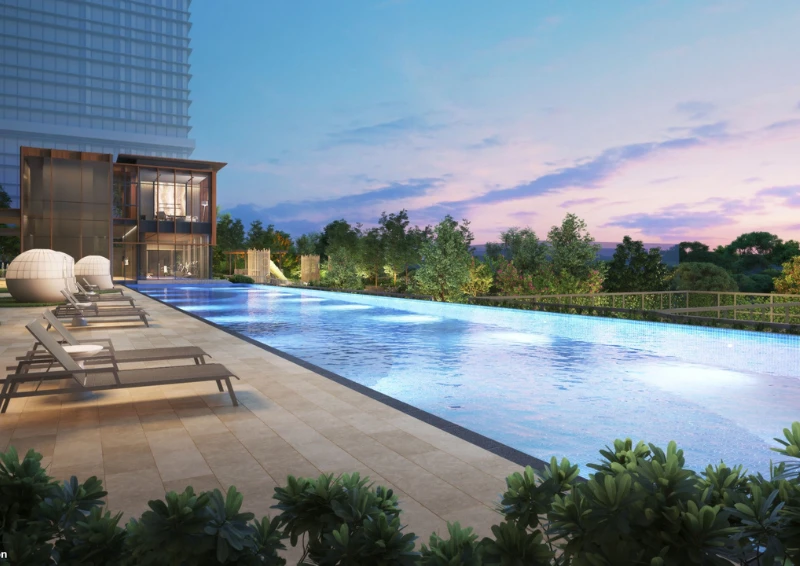
Selecting a condominium involves evaluating various amenities, with the swimming pool often topping the list of priorities. Buyers frequently debate whether a massive, resort-style pool or a smaller, more intimate setup fits their lifestyle better. Premier developments like the Thomson Reserve showcase how grand aquatic facilities can define a luxury property, while boutique residences offer a contrasting, quiet charm. This choice impacts your daily routine, monthly maintenance fees, and the overall community atmosphere. Understanding how you intend to use this space helps narrow down your options. By comparing the practical advantages of both sizes, you can make an informed decision that aligns with your long-term housing goals and personal relaxation preferences.
The Appeal of Large Resort-Style Pools
Large condominium pools offer a lifestyle centered on recreation, fitness, and social interaction. These expansive water bodies, often measuring 50 meters or more, accommodate dedicated lap lanes, shallow wading zones for children, and integrated lounge areas. For active individuals, having a true Olympic-sized lane means you can complete daily workouts without constantly turning around or bumping into other swimmers.
Beyond fitness, massive pools serve as visual centerpieces for the entire development. At Thomson Reserve, the expansive lagoon-style pool creates a dramatic tropical aesthetic that elevates the property’s overall market value. These larger facilities often include adjacent amenities like pool houses, outdoor bars, and multiple sun decks, making them ideal for hosting social gatherings.
However, these grand spaces naturally attract more residents, resulting in a livelier and sometimes noisier environment. On weekends, you can expect families, fitness enthusiasts, and sunbathers to share the space. If you view the pool as a social hub and a place for active exercise, a larger installation provides the versatility you need. It turns the pool area into a vibrant community gathering spot rather than just a place to cool off. While boutique properties like the Lucerne Grand focus on privacy, large developments prioritize scale and variety, ensuring there is always a corner of the water available for different activities.
The Benefits of Small, Intimate Pools
Smaller condominium pools cater to those who prioritize peace, privacy, and understated luxury. Often found in boutique developments, these pools resemble private villa plunges rather than public water parks. The primary advantage here is the low density of users. You can often enjoy a morning swim or an evening soak in complete solitude, free from the splashing and noise associated with larger communal areas.
Lower Maintenance and Social Quiet
A smaller pool deck fosters a serene environment where you can read, work, or meditate without distraction. Because these spaces serve fewer residents, the poolside furniture is rarely fully occupied, eliminating the need to reserve lounge chairs early in the morning.
Additionally, smaller pools require fewer chemical treatments and less intensive daily upkeep. This efficiency often translates to more stable monthly homeowners’ association fees. While a massive pool demands a team of lifeguards and specialized cleaning equipment, a compact pool keeps operational costs manageable. If your ideal weekend involves quiet relaxation and a quick, refreshing dip rather than social mingling or intense athletic training, a smaller, well-designed pool offers a sanctuary that larger developments simply cannot replicate. This sense of exclusive ownership makes the outdoor space feel like an extension of your personal living room rather than a shared public facility.
Maintenance Fees and Long-Term Costs
The size of a condominium’s pool directly influences your monthly maintenance fees, a crucial factor in long-term affordability. Large pools require sophisticated filtration systems, regular chemical balancing, professional lifeguards, and frequent structural maintenance to prevent leaks. These ongoing operational costs are divided among the unit owners. While larger developments have more residents to share the burden, the sheer scale of upkeep can still lead to higher reserve fund demands over time.
Understanding Reserve Funds
In contrast, smaller pools demand fewer resources. For example, residents at the Lucerne Grand enjoy a pristine, low-maintenance pool area where upkeep costs remain predictable and modest. The reserve funds in such boutique properties can be allocated to other essential building repairs rather than expensive pool resurfacing projects.
When evaluating a condo, ask the developer or the HOA for a breakdown of amenity maintenance costs. A massive pool might look stunning during your initial viewing, but you must decide if you are willing to pay a premium for its upkeep year after year, especially if you only use it occasionally. Balancing the visual appeal against the practical monthly expense is key to making a financially sound purchase.
Assessing Your Lifestyle and Usage Patterns
Choosing between these two pool styles ultimately depends on your daily habits and family dynamics. Families with young children generally benefit from larger pools. These facilities often feature dedicated shallow zones, water slides, and play areas that keep kids entertained for hours. The active environment also allows children to socialize with peers within the safety of the gated community.
Matching Amenities to Daily Routines
On the other hand, working professionals and retirees might find more value in a tranquil setting. If your routine involves evening wind-downs or quiet weekend mornings, a smaller pool is far more conducive to relaxation. High-density developments like Thomson Reserve offer magnificent views and energy, but they might not provide the quiet space you need to decompress after a long day at the office.
Conversely, properties like the Lucerne Grand highlight how compact, well-landscaped pool areas can offer a restorative escape. Before buying, track your current exercise and relaxation habits. Ask yourself how often you actually swim laps versus how often you simply want to sit by the water. Matching the pool’s design to your actual behavior, rather than an idealized lifestyle, ensures you select a property that truly enhances your daily living experience.
Conclusion
Selecting the perfect condominium involves balancing aesthetic desires with practical lifestyle needs. Large pools provide vibrant social spaces and excellent fitness opportunities, making them ideal for active families and social butterflies. Conversely, smaller pools offer unmatched privacy, lower maintenance costs, and a peaceful retreat from daily stressors. Both options have distinct advantages that cater to different types of residents. By evaluating your daily routines, long-term budget, and personal preferences, you can choose a property that aligns with your goals. Whether you prefer the grand scale of a resort-style lagoon or the quiet sophistication of a boutique plunge pool, the right choice will elevate your home life and provide lasting satisfaction.